


The impact of the political turmoil caused by the First World War continued until the 1930s, and the status of the Bosphorus and Dardanelles Strait remained an unresolved international issue. When the Treaty of Montreux, signed in 1936, made the straits an international waterway and recognized Türkiye’s sovereignty, it became the Turk’s maritime day.
Since then,T ürkiye has guaranteed to keep the straits open to all ships in peacetime and has the right to close them to military vessels in wartime. Because this is called the right of cabotage, this day is also known by the same name. The most important result of the Treaty of Montreux was that the Black Sea was closed to the navies of countries that did not have a coastline on the Black Sea. The legal arrangement, which prevented access to the Black Sea as well as the westward passage through the straits in case of war, also restricted the Soviet Union in the late 1930s. The treaty regime was therefore supported by the United States. However, with the current war in Ukraine, the US is particularly uncomfortable with Article 18 because it limits the tonnage of naval forces on humanitarian missions in addition to warships. Moreover, regardless of tonnage, military vessels from countries that do not border the Black Sea must obtain permission from the Turkish government, and no ship can stay in these waters for more than twenty-one days.
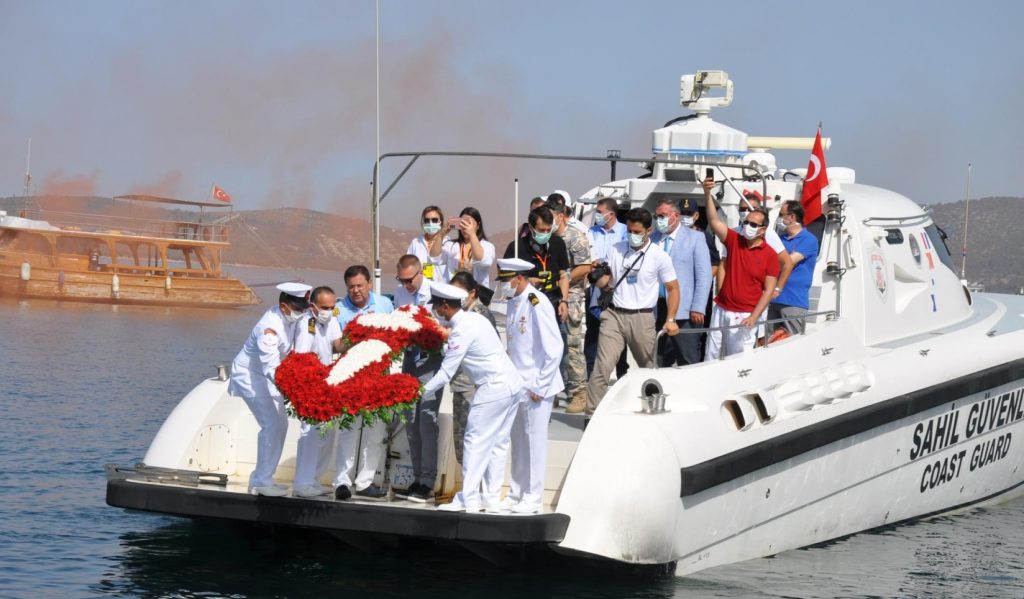
The Treaty of Montreux, containing complementary provisions to the Treaty of Lausanne of 1923, which officially ended the First World War, was greeted with great joy at the time of its signing as it ensured the territorial and maritime integrity of the Republic of Türkiye. The fact that Türkiye was largely a peninsular country with a coastal length of 8333 kilometers increased the importance of the opportunities the treaty provided for Turkish maritime affairs. Atatürk had taken the first step in this direction in 1926, when he imposed the obligation that only domestic boats could operate between Türkiye’s ports. July 1, when that law came into force, began to be celebrated as Cabotage Day in 1935. In 2007, maritime was added to the name of this special day.
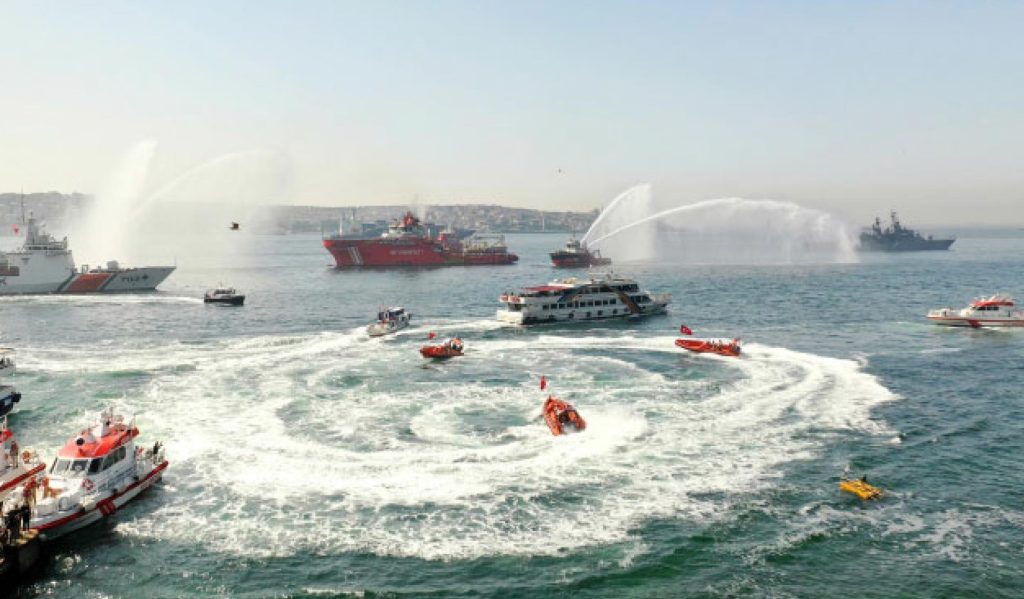
As one of the milestones of the path of national independence and sovereignty opened by Atatürk, the Turkish government took maritime rights in territorial waters into its own hands, putting an end to the regime based on the capitulations granted to foreign countries by the Ottoman Empire. Thus, the obstacles to the development of the Turkish maritime sector were removed, and commercial shipping began to be structured. Thanks to the law, which transferred all kinds of transportation and trade rights in Türkiye’s rivers and lakes, as well as the seas, to Turkish citizens, many sectors such as fishing, sponge fishing, pilotage, and maritime enterprises were born, and the role of the sea in economic development increased. Cabotage and Maritime Day continues to be celebrated by all ports and navies with special events.


