© 2026 SIRENA YACHTS. ALL RIGHTS RESERVED.
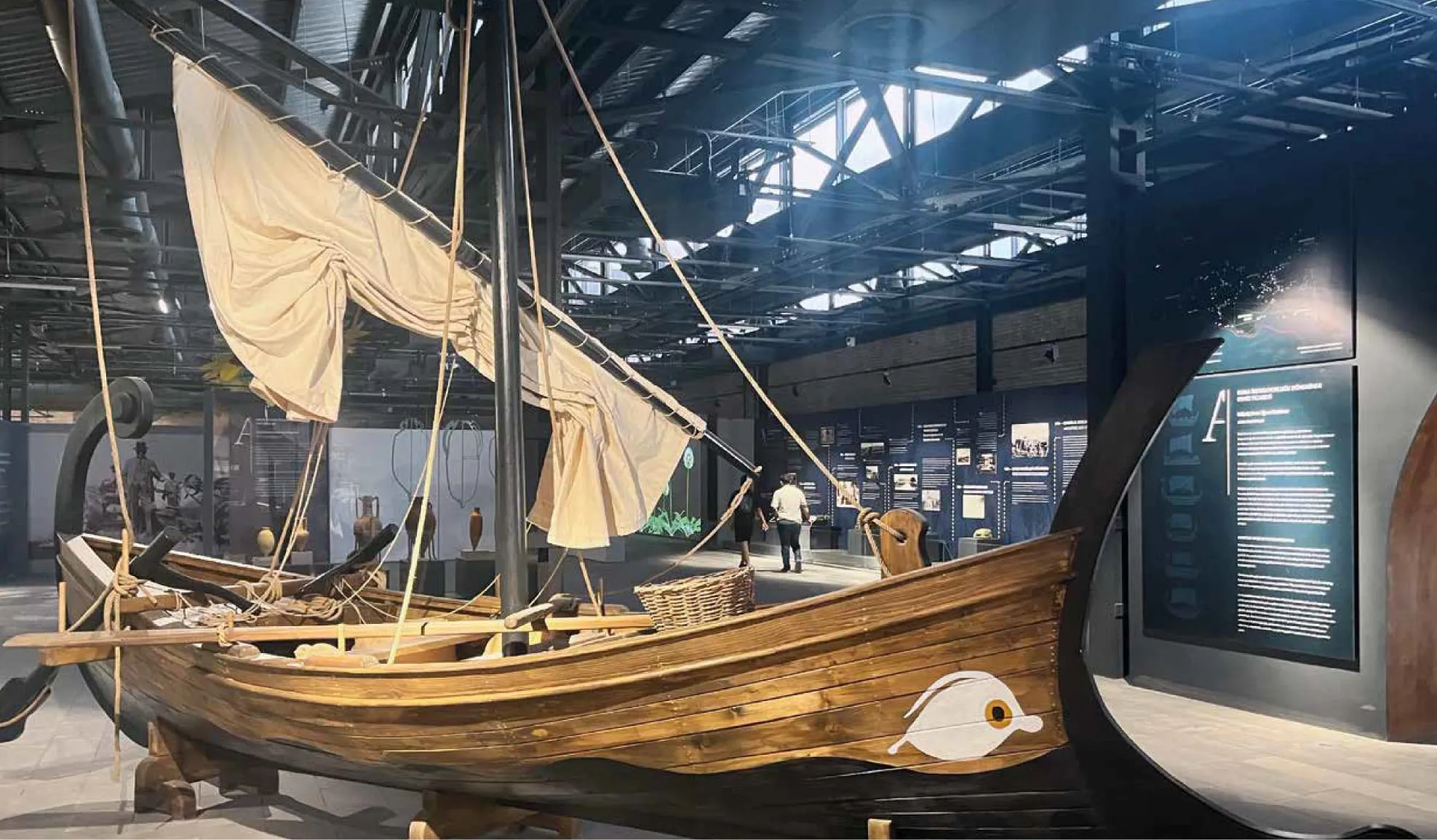
Established in 1924, the Adana Museum, one of Türkiye’s first ten museums, has undergone a transformation, relocating to a new complex within the National Textile Factory, a site rich in industrial heritage. Today, the museum offers an extensive and diverse range of exhibits, providing visitors with a comprehensive cultural experience.
While the Adana Museum predominantly showcases esteemed archaeological artifacts reflecting ancient times from the Çukurova region, it also features exhibits highlighting the city’s history, agriculture, industry, ethnography, and fashion. These displays are organized within various sections of the former factory. With a total area of 65,000 square meters, it holds the distinction of being the largest museum in the Middle East, offering a comprehensive portrayal of all cultural elements that have flourished in the region throughout history.
The museum displays many archaeological finds, such as statues, inscriptions, and sarcophagi from the prehistoric period through the Hittite, Assyrian, Phoenician, Phrygian, Hellenistic, Roman, and Byzantine periods, with the Tarhunda Statue and the Achilles Sarcophagus standing out in particular. Following the restoration’s completion in 2018, two large spaces within the Adana Museum were transformed into a mosaic exhibition area, showcasing historical remnants from Adana, an ancient port city situated along the Mediterranean trade routes. These mosaics, discovered in the 1950s and 60s, offer insights into the region’s social, economic, and cultural dynamics and date back to the 3rd and 5th centuries AD. Covering a total area of 930 square meters, visitors can closely examine the mosaics from the Çukurova region by walking on a platform specially designed for this purpose.
In addition to the artifacts, the museum features information charts detailing periods and themes, models, as well as animations that recreate period lifestyles. One of these educational elements is dedicated to the history of maritime trade. Amphora examples used in ancient times for preserving and transporting goods without spoilage, along with information on stacking and transportation methods, are accompanied by a replica of an ancient ship. This section also provides information on types of commercial vessels used in different periods, summarizing the maritime trade history dating back to the 4th century BC and highlighting developments during the Roman period.
With its modern presentation, vast area, and unique design, the Adana Museum won the grand prize in the ‘Most Successful Museum and Archaeological Site’ category at the Shining Star Awards 2019 Entertainment and Recreation Awards. The museum also features a shop selling Adana-specific souvenirs and a large garden and café for visitors to relax.